
Neuro-Optometry: Helping the Brain and Eyes Work Together
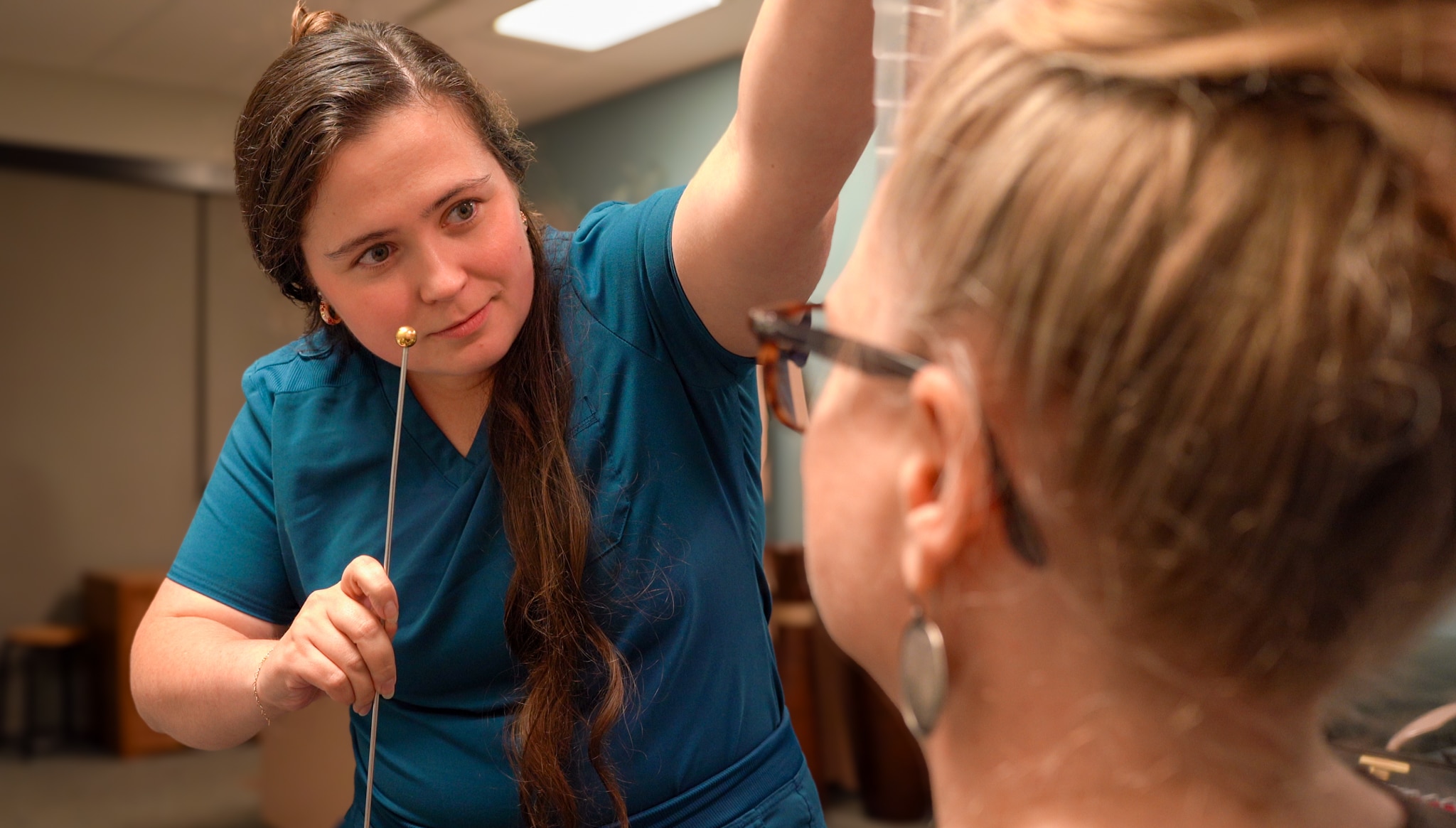
Difficulty finding items in familiar stores. Losing your place while reading. Struggling to focus in busy environments. Feeling unsteady when navigating unfamiliar spaces or noticing you’re falling more often than before.
Most people think vision begins and ends with the eyes. In reality, the brain plays an equally important role in helping us make sense of what we see.
For individuals who have experienced a traumatic brain injury (TBI), or who have developmental vision conditions, the challenge is often not an inability to see. Instead, there may be a disconnect between the eyes and the brain, making it difficult to process visual information correctly. This can affect everything from balance and coordination to reading, focusing, learning, and navigating daily life.
That’s where Alphapointe and Kansas City Vision Performance can help.
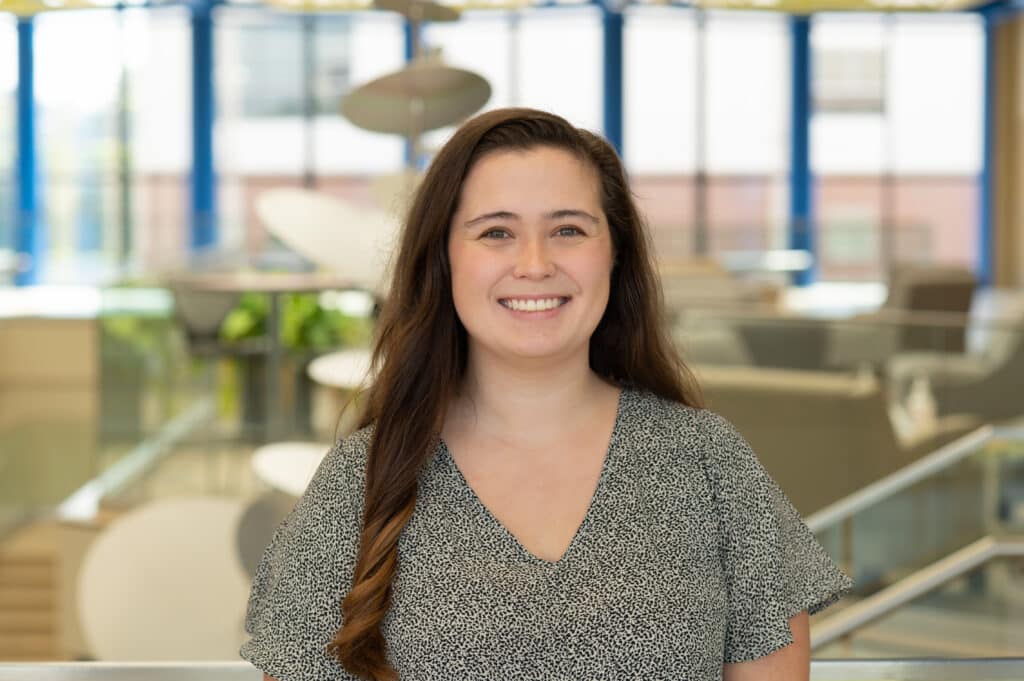
Dr. Emily Kyle specializes in neuro-rehabilitative and developmental optometry, a field focused on understanding and treating vision dysfunctions related to brain injuries and developmental conditions. Drawing on her specialized training and experience, Dr. Kyle evaluates how a patient’s visual system is functioning, identifies underlying issues, and develops personalized treatment plans designed to improve visual performance and quality of life.
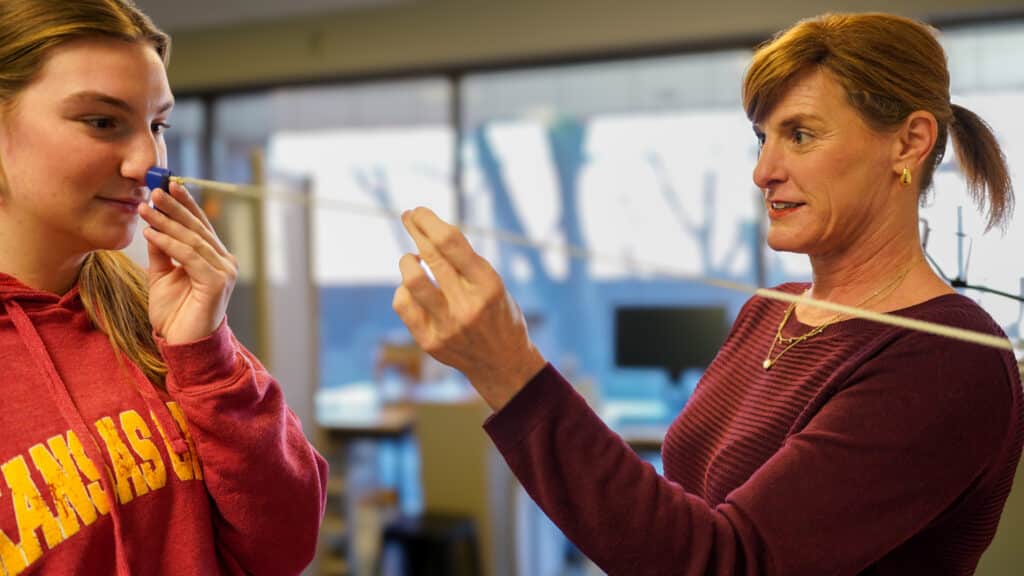
Treatment often includes highly individualized vision rehabilitation provided by vision therapist Julie Burbach, who works closely with patients to strengthen visual skills and improve the connection between the eyes and the brain.
“My goal is to improve my patients’ quality of life through specific vision therapy techniques and activities designed to optimize and develop their visual system,” says Julie.
Who Should Seek Our Services?
Through our partnership with Kansas City Vision Performance, Alphapointe offers care in two complementary areas of specialty: low vision and neuro-optometry.
Our Low Vision Clinic serves individuals who are experiencing a permanent reduction in vision and need support to maintain their independence and continue participating in the activities that matter most to them.
Neuro-optometry, on the other hand, focuses on how the visual system functions and how the eyes and brain work together. Vision difficulties in this area can arise from brain injuries, neurological conditions, developmental challenges, or problems with eye coordination and processing.
Common conditions we help address include:
- Traumatic brain injury (TBI)
- Focusing and tracking disorders
- Eye movement and visual processing difficulties
- Developmental and neurological vision concerns
- Binocular vision dysfunction
In each of these situations, our team is dedicated to helping individuals develop, restore, or maximize their visual processing abilities. Through comprehensive evaluation, personalized treatment, and ongoing rehabilitation, we help people build confidence, increase independence, and return to the activities they enjoy most.
Vision Success Stories
“One of the aspects of our clinic that makes us unique is the wide variety of ways brain injuries can affect people and the many ways we can help them recover,” says Dr. Kyle.
Because no two brain injuries are exactly alike, every treatment plan is tailored to the individual’s specific needs and goals. Through a combination of vision therapy, specialized lenses, and collaboration with other healthcare providers, many patients experience meaningful improvements in their daily lives.
Some patients have been able to return to work. Others have regained the confidence to drive safely again. For many, the biggest victories are found in returning to the hobbies and activities they once thought they had lost.
“It is so rewarding when a patient comes into my office and tells me they’ve been able to go back to scrapbooking, crocheting, or even working on cars again,” says Dr. Kyle. “Helping people reconnect with the things they love is one of the most fulfilling parts of what we do.”